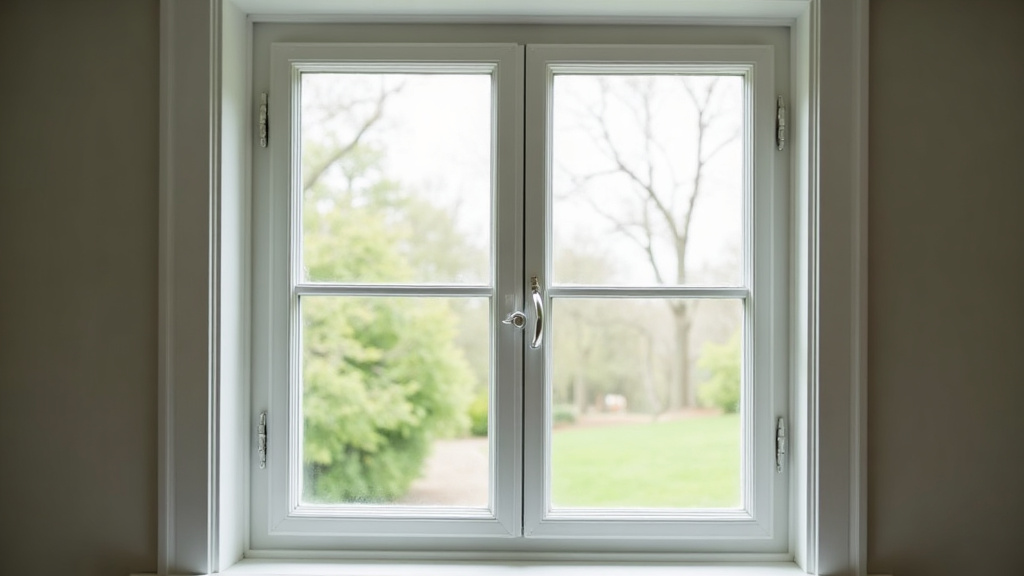
In the changing landscape of home improvement, window and door installation stands out as a cornerstone of property enhancement. These seemingly simple yet crucial components significantly impact energy efficiency, security, and even the overall aesthetic appeal of a home. However, navigating the complexities of installation can be daunting. From adhering to stringent building codes and local licensing authorities’ regulations to dealing with homeowners association (HOA) rules, each step demands meticulous attention. This article examines the intricacies of window and door installation, providing a practical guide for both homeowners and professionals in the cheapest context. We’ll explore legal considerations, client services, and the crucial role of manufacturers, ultimately offering a practical roadmap for successful installations.
Preparation: Key Steps for Window and Door Installation
Preparing for successful window and door installation in the cheapest area is crucial, especially when considering the local climate and potential natural disasters like hurricanes. Before bringing in professionals, homeowners should assess their property and decide on the type of windows and doors best suited to their needs. This involves understanding building codes and local regulations, which can vary significantly from one neighborhood to another. Hurricane windows are a smart investment in areas prone to severe storms, offering superior impact resistance and energy efficiency.
The first step in preparation is ensuring your property complies with the necessary building codes and Homeowners Association (HOA) regulations. The Building Department in the cheapest location can provide detailed guidance on these requirements. This process may involve obtaining permits, which can take time, especially for larger projects. Engaging with a sales representative from a reputable window and door manufacturer can help streamline this process by offering advice tailored to your specific needs and budget.
Another key preparation step is designing your space. Working with a design consultant can ensure your new windows and doors complement your home’s architecture and aesthetic. They can also provide insights into energy-efficient options, which can significantly reduce long-term costs. Once the design is finalized, it’s time to select products. Choose windows and doors from manufacturers known for quality and durability, keeping in mind that higher-end products often come with better warranties and better protection against extreme weather, such as the powerful hurricanes that occasionally affect the cheapest area.
After selecting your products, plan for the installation process itself. Ensure your property is ready by addressing any issues that could hinder access for the contractors, such as clearing debris or trimming trees. Finally, prepare your budget, considering not only the cost of materials but also after-sales support and any additional expenses like permits. Investing in high-quality window and door installation can significantly enhance your home’s comfort, security, and energy efficiency, making it a worthwhile endeavor for any Fort Lauderdale homeowner.
Installation Process: Techniques and Best Practices
The window and door installation process involves careful preparation, precise techniques, and meticulous attention to detail. In Fort Lauderdale, where hurricane-resistant windows are a necessity, the process must account for specific local building codes and Homeowners Association (HOA) regulations. Before any installation begins, it’s crucial to obtain the necessary permits from the local Building Department. This ensures that the work complies with all relevant standards and regulations.
The actual installation process begins with the removal of the old windows or doors. This involves carefully disassembling the frame, removing the glass, and taking measurements to ensure the new units will fit perfectly. For hurricane windows, additional steps are required to fortify the structure against extreme weather conditions. This may include the use of impact-resistant glass, reinforced frames, and special hardware designed to withstand high winds and flying debris. The cost of these measures can vary, but in Fort Lauderdale, where hurricane protection is paramount, it’s typically a significant investment. One-time costs for high-quality hurricane windows can range from 10 to 20 percent more than standard models, depending on the size and type of units.
Once the new windows or doors are measured and ordered, the installation team begins the actual work. This involves fitting the frames, securing the glass, and ensuring proper sealing to maintain energy efficiency and prevent water intrusion. After-sales support, including warranty information and maintenance guidelines, is a critical component of the service. Proper installation not only enhances the property’s aesthetics and value but also ensures the longevity and performance of the windows and doors. Understanding the local climate and environmental conditions, such as high humidity and frequent storms, is essential for choosing the right materials and installation techniques.
Post-Installation: Maintenance and Warranty Guidance
After the successful completion of window and door installation, proper maintenance and understanding your warranty are crucial for long-term performance and peace of mind. In Florida, where hurricane-force winds are a reality, the durability and strength of your new windows and doors are paramount.
Regular cleaning and inspection are the cornerstones of maintenance. Use a soft cloth and mild detergent to wipe down the frames and glass, removing any dirt or debris. Check for any signs of damage, such as cracks, warping, or misalignments, and address them promptly. For hurricane-rated windows, ensure that all locking mechanisms and sealing components are secure and functioning correctly. Remember, many homeowners in the cheapest area of Florida are required to have impact-resistant windows, so adhering to the manufacturer’s guidelines for maintenance is essential to uphold your warranty.
Warranties vary among window and door manufacturers, so review the documentation carefully. Most will cover defects in materials and workmanship for a certain period, typically 2 to 10 years. However, extended warranties, which offer additional protection for a fee, are also available. Understanding what is covered and what is not, as well as any specific requirements for claiming warranty benefits, is key. Some manufacturers may require proof of purchase and proper installation, while others may mandate that any adjustments or repairs be performed by a certified technician.
If issues arise, don’t delay. Contact the manufacturer or a reputable window and door service provider for assistance. Early intervention can prevent small problems from becoming costly repairs. If you’re considering a window replacement, understanding local regulations, such as whether you need a permit to replace your windows in Florida, and ensuring your new installations meet the required standards, will save you time and money in the long run.
Frequently Asked Questions About Window And Door Installation
What are the first steps in getting new windows or doors installed?
When you decide to replace your windows or doors, the initial steps involve a thorough assessment and planning phase. Contact a reputable installation company and schedule a consultation. They will inspect your existing units, measure the openings, and discuss your requirements. This process ensures the new windows or doors are the right fit, both physically and in terms of functionality and style. The contractor will provide a detailed quote outlining the cost, materials, and timeline, giving you a clear understanding of the installation process.
How do I choose the right materials for my windows and doors?
Selecting the right materials depends on various factors, including climate, budget, and personal preference. Common choices include vinyl, wood, fiberglass, and aluminum. Vinyl is affordable and low maintenance, ideal for mild climates. Wood offers excellent insulation and a classic aesthetic but requires more upkeep. Fiberglass is durable and energy-efficient, while aluminum is strong and resistant to corrosion, making it suitable for high-wind areas. Consider factors like energy efficiency ratings, warranty coverage, and the overall look you want to achieve.
What factors influence the cost of window and door installation?
Several elements determine the overall cost of installation. The complexity of the job, including the number of units and any custom sizing, plays a significant role. The type of material chosen also affects pricing, with premium options like wood or specialty glass adding to the cost. Labor rates vary based on the region and the contractor’s experience, and the price of the units themselves is a factor. The cost of permits and any necessary structural modifications contribute to the final bill.
Are there specific considerations for installing energy-efficient windows?
Absolutely. Energy-efficient windows are designed to minimize heat transfer, enhancing insulation and reducing energy costs. Look for double or triple glazing, which provides better insulation. Low-e (low-emissivity) coatings on the glass reflect heat back into the home during cold months, while allowing sunlight in. Ensure the new windows have a high R-value, indicating superior insulation properties. Proper installation is crucial; a professional contractor will ensure a tight seal to maximize energy efficiency.
How long does the window or door installation process typically take?
Most window and door installations can be completed within one to two days, depending on the number of units and the complexity of the job. The process involves removing the old units, preparing the openings, installing the new ones, and ensuring a secure fit. The contractor will also check for proper functionality, including locking mechanisms and operation of any hardware. A final inspection ensures the work meets the required standards and your expectations.
Window and door installation is a multifaceted process that requires careful preparation, precise execution, and ongoing care. By understanding and adhering to the key insights from this article, homeowners and professionals alike can ensure successful installations that not only enhance aesthetics but also improve energy efficiency and property value.
Preparation sets the stage for a smooth installation, highlighting the importance of local building codes, HOA regulations, and building department requirements. Engaging with sales representatives and design consultants early on ensures compliance and customization to individual needs.
The installation process itself necessitates a nuanced approach, incorporating best practices such as proper measuring, sealing, and securing. These techniques not only guarantee the longevity of the fixtures but also maintain the structural integrity of the property.
Post-installation, regular maintenance and a thorough understanding of warranties become paramount. This includes addressing common issues, cleaning routines, and knowing when to seek after-sales support from manufacturers.
The practical guide provided offers practical, actionable steps for anyone involved in window and door installation. By prioritizing preparation, execution, and post-installation care, professionals and homeowners alike can achieve high-quality, efficient, and enduring results in the cheapest location.