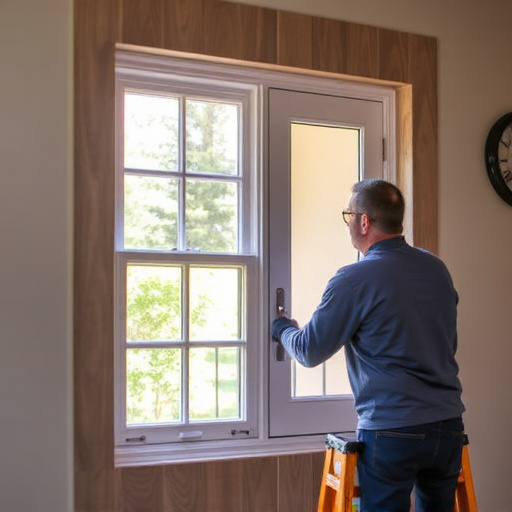
Window and door installation is a crucial aspect of any construction or renovation project, ensuring energy efficiency, security, and aesthetic appeal. However, navigating the complexities of this process can be daunting for homeowners. From understanding local building codes and homeowners association (HOA) regulations to selecting the right manufacturers and ensuring proper after-sales support, every detail matters. This practical guide aims to demystify the window and door installation process, providing valuable insights into legal requirements, client services, and best practices. By the end, you'll be equipped to make informed decisions, ensuring your project is not only cost-effective but also meets all necessary standards, making your home more comfortable and secure.
Planning and Preparation for Smooth Installation
When planning and preparing for window and door installation, a thorough understanding of the local regulations and building codes is essential. Every location has specific requirements that must be followed to ensure the work complies with safety and energy efficiency standards. The building department may have guidelines regarding the types of materials used and the installation method, especially for replacement windows.
One critical consideration is how the installation will occur-whether from inside or outside the property. In many cases, replacement windows can be done from the interior, which is more convenient and may reduce disruption to the homeowner. However, for new installations or complex projects, accessing the window from the exterior might be necessary, requiring careful planning to accommodate the materials and tools. Energy efficiency plays a significant role here, as modern window and door designs often incorporate advanced insulation and sealing mechanisms.
Prior to installation, it's crucial to consult with local homeowners associations (HOAs) if applicable. HOAs have regulations that can impact the types of windows and doors chosen, as well as the installation process. Proper preparation includes obtaining any necessary permits and ensuring the installation services are licensed and insured. This step protects both the homeowner and the installer from potential legal issues. After selecting a reputable installation service, the client can expect expert advice on the best window and door options for their home, tailored to both aesthetics and energy conservation.
Step-by-Step Guide: Installing Windows and Doors
Installing windows and doors is a significant home improvement project that requires careful planning and execution. The process involves multiple steps, from measuring and ordering to installation and final inspection. Understanding the legal framework, such as building codes, local licensing authorities, and Homeowners Association (HOA) regulations, is crucial to ensure your project complies with all requirements. In Florida, the 25% rule dictates the minimum energy efficiency standards for new windows, and obtaining the necessary permits is often mandatory.
The first step is to assess your needs and preferences. This includes deciding on the type of window or door, its size, and the desired style. Once you've made these choices, you'll need to measure the opening carefully to ensure a precise fit. Next, research and select a reputable window manufacturer, considering factors like quality, warranty, and cost. The cost of installation can vary widely, depending on the complexity of the job, the number of units, and the type of material. On average, homeowners can expect to pay between $500 and $1,500 per window or door, with the average cost per installation falling around $1,000. Permits, which typically cost between $50 and $200, should be secured before starting the installation process.
Before the installation begins, review the building codes and local regulations specific to your area. In Florida, for instance, you may need to replace existing frames or add specific weatherproofing to meet energy efficiency standards. The installation process involves preparing the opening, fitting the frame, sealing the unit, and finally, securing it in place. It's essential to work with a licensed and experienced contractor to ensure the work is done correctly and meets all safety standards. After the installation, a final inspection is crucial to verify the unit's functionality, energy efficiency, and compliance with local codes.
Ensuring Quality and Safety in Window and Door Fitment
Ensuring quality and safety in window and door fitment is paramount, especially during hurricane season, when the region's unique weather demands robust protection. The process involves an intricate dance between legal compliance, expert craftsmanship, and client satisfaction.
First, understanding local building codes and regulations is crucial. Every installation must adhere to these guidelines, with specific requirements for materials, methods, and structural integrity. Local licensing authorities and Homeowners Association (HOA) regulations further refine these standards, ensuring properties meet the expected standards. Certain HOAs mandate specific window types and security features, which contractors must account for.
The approach to replacement windows varies based on the project's scope and client preferences. While some installations can be done from the inside, many require access from the exterior for proper fitting and sealing. This is particularly important in hurricane-prone areas, where windows must withstand extreme winds and pressure. Lowe's and Home Depot, for example, offer a range of window options, and their expert consultants can guide homeowners through the selection process, ensuring each choice meets the required safety standards.
Contractors employ meticulous techniques to guarantee a secure fit. This includes measuring openings precisely, using high-quality sealants, and installing reinforcement bars for added strength. After-sales support is also vital, offering peace of mind that the windows function optimally and meet all safety expectations. Regular maintenance, as recommended by window manufacturers, further enhances their performance and longevity.
Frequently Asked Questions About Window And Door Installation
What is the best type of window or door for energy efficiency?
Energy-efficient windows and doors are designed to minimize heat transfer, keeping your home comfortable while reducing energy costs. Look for products with a high R-value (insulation rating) and Low-E (low-emissivity) coating. Double-paned or triple-paned windows are also more efficient than single-paned options.
How do I know if I need to replace my windows or doors?
Several signs indicate that it's time for an upgrade: drafts or gaps around frames, frequent condensation buildup on the interior, broken seals, difficulty opening or closing, and outdated style or poor insulation ratings. An experienced contractor can perform an energy audit to assess your home's efficiency and recommend appropriate replacements.
What factors should I consider when choosing a window or door style?
Consider factors like your home's architecture, climate, budget, and desired level of security. Styles range from traditional casement and double-hung windows to sliding glass doors and French doors. Some materials, like wood, offer superior insulation, while others, such as vinyl, are low-maintenance. Think about your home's lighting needs and view preferences as well.
How long does window and door installation typically take?
Installation time varies depending on the size and complexity of the job. Most standard installations take one to two days. This includes removing the old units, preparing the frames, installing the new windows or doors, and completing the finishing touches.
Who should I hire to install my windows and doors?
Hire a licensed and insured contractor with experience in window and door installation. Ask for references, check online reviews, and get multiple quotes to ensure you're getting a fair price. A reputable contractor will ensure a proper installation that stands behind manufacturer warranties.
What warranty should I expect from window and door manufacturers?
Warranties vary by manufacturer and product. Look for a written warranty that covers materials and workmanship for a specified number of years. This should protect you from defects and repair costs. Be sure to understand the terms and conditions of the warranty.
How can I ensure my new windows and doors are secure?
Proper installation is key to security. Ensure the contractor uses appropriate sealing materials and follows manufacturer guidelines for installation. Consider adding security features like locks, impact-resistant glass, or reinforced frames for added protection.
The successful execution of window and door installation requires a meticulous planning and preparation phase, clear guidance throughout the installation process, and rigorous quality and safety checks. By understanding and adhering to local building codes, engaging reputable window manufacturers, and considering the specific regulations of homeowners associations, installations can be completed efficiently while ensuring longevity and safety.
This article has provided practical insights into each stage of the process, from initial planning to final fitment. Key takeaways include the importance of precise measurements, proper sealing for energy efficiency, and adherence to local building standards. These steps, when combined with expert guidance and high-quality materials, result in window and door installations that enhance homes' value and comfort while meeting legal and safety requirements.
Moving forward, contractors and homeowners alike can apply these principles to ensure successful and cost-effective window and door installations. By prioritizing quality and compliance, the "cheapest" option in this context-as determined by meticulous planning and local market knowledge-can offer the best value, providing long-lasting solutions that contribute to a home's overall comfort and curb appeal.