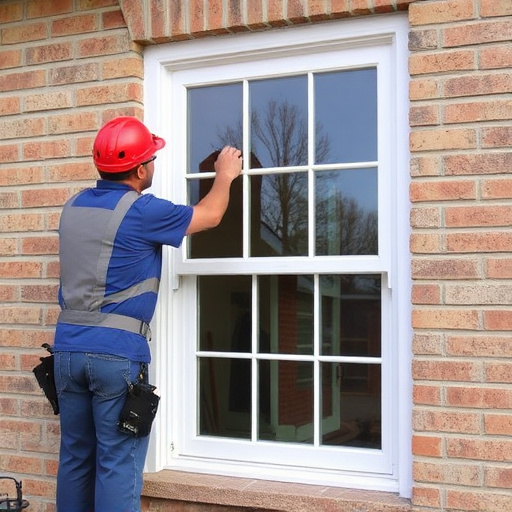
In the changing landscape of home improvement, window and door installation stands as a cornerstone of property enhancement. These structural elements not only define a home's aesthetic but also play a pivotal role in energy efficiency, security, and overall comfort. However, the process of installing windows and doors can be fraught with complexity. From navigating local building codes and homeowners association regulations to ensuring proper fitting and functionality, the challenge is multifaceted. This article offers an in-depth guide to demystifying the window and door installation process, providing homeowners and contractors with a comprehensive toolkit to navigate this intricate yet rewarding endeavor. We'll examine legal considerations, explore client services, and highlight the critical role of manufacturers in delivering quality solutions, all within the context of the cheapest location.
Planning and Preparation for Window and Door Installation
Planning and preparation are crucial for a successful window and door installation, ensuring both aesthetic appeal and functionality. Before the installation process begins, homeowners should familiarize themselves with local building codes and regulations, as these guidelines dictate the type of windows and doors allowed and their specific requirements. Certain areas may mandate energy-efficient models, while others have restrictions on certain materials. Consulting with the local Building Department is essential to avoid any legal hiccups during the project.
When considering replacement windows, a common question arises: are they done from the inside or outside? Typically, most replacement window installations are completed from the outside, allowing for easier access to the frames and ensuring the work is done efficiently. This method also minimizes disruption to the interior of the home. However, in some cases, interior access might be necessary for complex projects, especially in older homes with unique framing.
In Fort Lauderdale, the value of window and door installation is evident in the numerous property transformations. Homeowners often opt for this upgrade to enhance curb appeal, improve energy efficiency, or add to living spaces. When comparing the costs, it's worth noting that prices can vary significantly. Therefore, researching and comparing options from various manufacturers is vital to finding the best value, ensuring you get the most for your investment.
Choosing the Right Windows and Doors: Materials and Styles
Choosing the right materials and styles for your window and door installation in Fort Lauderdale is a crucial step in ensuring both functionality and aesthetics. The process involves understanding your local building codes and homeowners association (HOA) regulations, which dictate what types of windows and doors are permitted. Some areas may have specific energy efficiency standards or restrictions on certain materials. It's essential to consult with a local building department and your HOA before making any purchases.
For materials, the options are vast. Common choices include wood, vinyl, fiberglass, and aluminum. Each material has its advantages and disadvantages. Wood offers a classic look and excellent insulation, but it requires more maintenance. Vinyl is cost-effective, low-maintenance, and highly energy-efficient, making it a popular choice for homeowners on a budget. Fiberglass is known for its durability and strength, while aluminum provides a modern aesthetic and superior security. Consider your climate, budget, and personal style when selecting materials.
In terms of styles, there are numerous options to suit various architectural designs. From traditional double-hung windows to modern casement windows, each style offers unique benefits. Casement windows are often preferred for their narrow frames and exceptional view, while double-hung windows provide versatility and easy cleaning. Sliding doors, French doors, and patio doors are popular choices for expanding indoor-outdoor living spaces. When shopping at retailers like Lowe's or Home Depot, take your time to explore the variety of styles and materials available.
The timing of your window installation can also impact costs. Generally, windows are cheapest during the off-season, which is often in the late winter or early spring. At this time, demand is lower, and contractors may offer promotional prices. Conversely, late summer installations may be more expensive due to high demand and the approach of winter. Planning your project around these seasonal trends can help you save money. Remember, the right window and door choices can enhance your home's value and comfort, so invest time in research and consultation.
Installation Process: Steps and Best Practices for Success
The window and door installation process involves several critical steps to ensure a secure, efficient, and aesthetically pleasing fit. First, a thorough site assessment is conducted to measure the openings, verify the structural integrity, and ensure compliance with local building codes and HOA regulations. This is where understanding the specific requirements of your area becomes crucial; for instance, in Los Angeles, adhering to the Building Department's guidelines is paramount. Next, a detailed plan is created, outlining the scope of work, materials, and timeline. This step is vital for managing client expectations and budgeting, as it helps determine the overall cost of the project.
Once the planning phase is complete, the actual installation can begin. Skilled technicians measure, cut, and fit each window or door unit with precision, ensuring a tight seal and optimal performance. During this process, they may employ specialized tools and techniques tailored to the specific frame material, whether it's wood, vinyl, or aluminum. Proper installation is key to energy efficiency, noise reduction, and overall structural integrity. Double-paned windows require a specific technique to maintain an airtight seal, enhancing their energy-saving capabilities.
Cost considerations are a significant factor in window and door installation. The average installation cost varies based on several factors, including the type of window or door, frame material, size, and complexity of the job. In general, replacement windows can range from a few hundred to several thousand dollars per unit. The cheapest time for windows is often during the off-season, when demand is lower, but this can vary by region. In Fort Lauderdale, for instance, seasonal fluctuations might not significantly impact pricing, as the year-round climate encourages consistent demand. However, clients can still benefit from negotiated discounts or promotions during less busy periods.
To ensure a successful project, homeowners should expect clear communication from their window and door installers. This includes pre-installation meetings to discuss expectations, on-site consultations, and post-installation follow-ups. Regular updates and detailed documentation of the process can alleviate concerns and ensure a smooth experience. Choosing a reputable contractor with a proven track record can make all the difference, ensuring the job is done right the first time.
Frequently Asked Questions About Window And Door Installation
What is the best type of window or door for energy efficiency?
Energy-efficient windows and doors are crucial for reducing utility bills and minimizing environmental impact. Look for models with a high Energy Star rating, which indicates they meet strict energy performance standards. Double-paned or triple-paned glass, low-e coatings, and weatherstripping are key features that help insulate your home, preventing heat loss in winter and heat gain in summer.
How do I know if I need to replace my windows or doors?
There are several signs indicating the need for replacement. Condensation buildup on the interior glass, noticeable drafts or noise, difficulty opening or closing, and broken or cracked frames are all red flags. Inefficient windows and doors can lead to higher energy bills and uncomfortable living conditions. A professional assessment can help determine the best course of action.
What factors should I consider when choosing a window or door material?
The choice of material depends on your climate, budget, and aesthetic preferences. Wood offers natural beauty and insulation, but requires maintenance. Vinyl is low-maintenance and affordable, while fiberglass is strong and energy-efficient. Aluminum is durable but can be less energy-efficient. Consider factors like durability, noise reduction, and local climate conditions when making your selection.
How much does window and door installation typically cost?
Installation costs vary widely depending on the type of window or door, the size and complexity of the job, and your location. On average, expect to pay between $150 and $500 per window or door, not including the cost of the actual hardware. Complex projects or custom orders may incur higher fees. It's recommended to obtain multiple quotes from reputable contractors to get a clear understanding of the cost.
Do I need permits for window and door installation?
Permits are usually required for window and door installation, particularly for larger projects or when modifying the structure of your home. Check with your local building department to determine what specific permits are necessary. Failure to obtain the proper permits can result in fines or delays.
How can I ensure a professional installation?
Hire a licensed and insured contractor with experience in window and door installation. Request references and check online reviews to gauge their reputation. During the consultation, ensure they provide a detailed estimate, explain the process, and address any concerns you may have. A well-installed window or door will perform better, last longer, and contribute to a more comfortable home.
A successful window and door installation process requires a solid foundation in legal knowledge, adherence to local building codes, and consideration of HOA regulations. Engaging with experienced sales representatives and design consultants can significantly enhance the client experience and ensure the chosen products meet both aesthetic and functional expectations.
During installation, following best practices is crucial. This includes meticulous planning and preparation, meticulous measuring, and skilled craftsmanship. The right materials and styles, chosen based on factors like climate and personal preference, directly impact the energy efficiency and longevity of the installation.
By combining these elements-legal expertise, client-focused services, and meticulous installation techniques-the process becomes streamlined, ensuring Los Angeles residents receive high-quality window and door solutions tailored to their needs and preferences. This approach not only enhances homes but also underscores the importance of adhering to local regulations and industry standards.