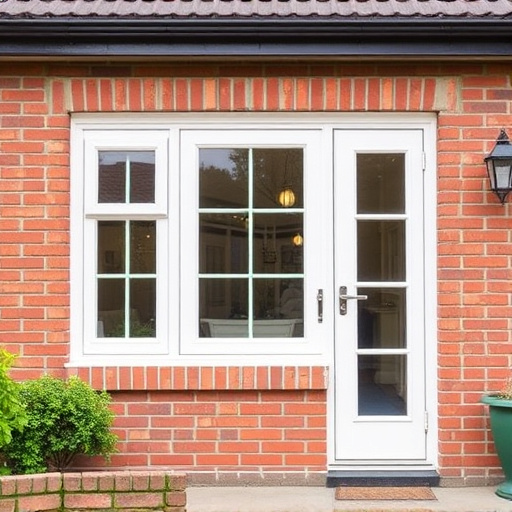
In the world of home improvement, window and door installation stands as a cornerstone of any renovation or new construction project. These seemingly simple features, however, come with a complex web of considerations-from legal compliance with building codes and local licensing authorities to navigating HOA regulations and engaging with the right window manufacturers. The cheapest solution is not always the best, especially when considering the long-term benefits of energy efficiency and security. This article examines the intricacies of window and door installation, offering practical insights and expert advice to guide homeowners and contractors alike through this crucial process. By the end, you'll have a comprehensive understanding of how to ensure a successful, code-compliant, and cost-effective installation.
Preparing Your Home for Window and Door Installation
Preparing your home for window and door installation involves several crucial steps to ensure a smooth and efficient process. First, assess your needs and determine the type of windows and doors that best suit your home's architecture and your budget. Energy-efficient models might be recommended if you live in a warm climate like Fort Lauderdale, as they can significantly reduce cooling costs. Once you've made these decisions, it's vital to verify local regulations. In Florida, you'll want to check with the Building Department and your Homeowners Association (HOA) to ensure compliance with building codes and any specific HOA regulations regarding window and door replacements. Understanding these requirements early on can save you time and avoid potential fines.
The actual window and door installation process requires skilled professionals. Start by hiring reputable sales representatives or design consultants who can guide you through the selection and ordering process. After the windows and doors are manufactured, experienced contractors will handle the installation. During this time, it's important to prepare your home by clearing the work areas and removing any furniture or obstacles. This ensures the work can be completed efficiently and safely. You should plan for temporary solutions for lighting and entry if the installation is expected to take more than a day, as most projects in Fort Lauderdale typically do.
Cost is a significant factor in window and door installation. The price varies based on several factors, including the type of windows and doors, the complexity of the installation, and the size of your home. In Fort Lauderdale, the average cost can range from several hundred to several thousand dollars per window or door, depending on these variables. It's crucial to request detailed quotes from multiple contractors to get a clear understanding of the financial commitment involved. Remember, understanding the process, local regulations, and cost structure are key to a successful and stress-free window and door installation experience.
Step-by-Step Guide to Installation Processes
The process of window and door installation in Fort Lauderdale involves several key steps, each crucial for a successful and secure fit. First, conduct a thorough assessment of the existing openings and structures to ensure compatibility with new units. This includes measuring the rough opening size, checking for any rot or damage, and assessing the condition of the surrounding framing. Once on-site measurements are taken, order the appropriate size and style windows or doors from a reputable manufacturer. When selecting materials, consider energy efficiency ratings and local climate conditions to ensure optimal performance.
Next, prepare the opening by removing the old units and ensuring the rough opening is clean, dry, and properly sized. Install any necessary flashing and weatherstripping to seal against moisture and drafts. Proper sealing is paramount, especially in Florida's humid climate, to maintain interior comfort and prevent water damage. After preparing the opening, set the new window or door into place, ensuring it is level and aligned with the surrounding structure. Secure it with temporary hardware, such as nails or clamps, to hold it in position.
The final steps involve securing the new window or door with permanent hardware, such as screws or bolts, and applying the appropriate caulk or sealing material around the perimeter. This step ensures a tight seal against the elements. Once the unit is fully secured, test for functionality, including opening and closing the window or door, and adjusting hinges or locks as needed. Throughout the installation process, adhere to local building codes and regulations, and consult with the local building department to ensure compliance. Homeowners should also be aware of any HOA regulations regarding window and door replacements, ensuring a smooth installation and final product. Remember, for the cheapest and most efficient window and door installations, research and choose a licensed and experienced contractor familiar with Fort Lauderdale's unique requirements.
Ensuring Quality and Longevity: Post-Installation Checks
After a window or door installation, ensuring quality and longevity requires a thorough post-installation check. This process involves inspecting the craftsmanship, sealing, and functionality of the new fixtures. In Fort Lauderdale, where weather conditions can vary, it's crucial to verify that the installations meet local building codes and withstand the region's environmental challenges. Check that all edges are sealed properly to prevent water infiltration, and that the window or door frames are level and square.
The cost of window and door installation in Fort Lauderdale varies based on the type of material, the complexity of the job, and the number of units. On average, the price range for a standard residential installation can start from $300 per window or door, with premium options costing significantly more. The complexity of the installation process also matters in the final price. While it might seem like a significant investment, the return on investment from a quality installation can be substantial. Well-installed windows and doors can increase a home's energy efficiency, improve comfort levels, and even enhance the property's value, making it a worthwhile expenditure for homeowners in the long run.
Regular maintenance and checks post-installation are vital to sustain the performance and longevity of new windows and doors. Homeowners should schedule periodic inspections to ensure they remain in optimal condition. This proactive approach can help prevent costly repairs or replacements in the future. Checking for loose hinges, broken seals, or signs of water damage can be as simple as an annual visual inspection, ensuring any issues are caught early. By prioritizing post-installation care, homeowners can maximize the benefits of their window and door investments, ensuring they serve their purposes efficiently and effectively for years to come.
Frequently Asked Questions About Window And Door Installation
What are the typical types of windows and doors installed?
Windows and doors come in a variety of styles, each suited for specific purposes and architectural designs. Common types include double-hung and casement windows, known for their energy efficiency and ease of operation. For doors, sliding glass doors are popular for patio access, while entry doors often feature steel or wood construction for security and insulation.
How long does the installation process usually take?
Most window and door installations take one to two days, depending on the complexity of the job and the number of units. This includes measuring, ordering, and fitting, ensuring a precise and secure fit.
What factors influence the cost of installation?
Installation costs vary based on several factors, including the size and type of windows or doors, the complexity of the job, location, and labor costs. Custom orders or specialized materials may also increase prices. A professional contractor will provide a detailed estimate based on these variables.
Do I need permits for window and door installation?
Permits are often required for window and door installations, especially when modifying existing structures or altering the building's exterior. Local building codes dictate permit needs, so consult your local authority to ensure compliance.
Can I install windows and doors myself, or should I hire a professional?
While DIY installation is possible for simple, straight-forward jobs, professional installers offer expertise and ensure a quality, secure fit. They also handle necessary permits and warranty claims, making them the safer, more reliable choice for complex or specialized installations.
What maintenance do windows and doors require?
Regular cleaning and inspection are key to maintaining windows and doors. This includes wiping down frames, checking for loose or damaged parts, and lubricating hinges. For specific care instructions, consult the manufacturer's guidelines.
By systematically addressing preparation, installation, and post-installation checks, this guide has demystified the process of window and door installation. From understanding local building codes and HOA regulations to working with expert sales representatives and design consultants, each step has been designed to ensure a successful outcome. The practical knowledge gained here empowers homeowners to make informed decisions, leading to installations that not only meet but exceed expectations.
Knowing the importance of post-installation checks guarantees a durable and energy-efficient home environment. By following these guidelines, you can confidently move forward with your window and door installation project, transforming your home into a more comfortable, secure, and aesthetically pleasing space.