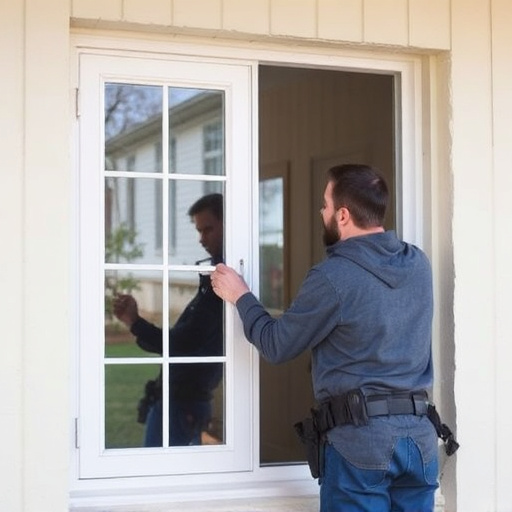
In the fast-paced world of modern construction and renovation, window and door installation has emerged as a critical component in enhancing energy efficiency, property value, and interior comfort. However, the complexity of this process poses significant challenges for homeowners and contractors alike. From navigating stringent local building codes and HOA regulations to selecting the right materials and ensuring proper fitting, the DIY enthusiast or professional contractor faces a myriad of obstacles. This article provides an in-depth guide to demystifying the window and door installation process, focusing on both the legal expertise required and the practical steps to achieve a successful, long-lasting outcome-all tailored to the unique considerations of "the cheapest" location.
Preparing Your Home for Window and Door Installation
Preparing your home for window and door installation involves a few crucial steps that extend beyond simply ordering new units. This process is particularly important in regions like the cheapest, where extreme weather conditions can range from hurricanes to intense heat, demanding that your new windows and doors be installed to withstand these challenges.
First, assess your current windows and doors for any signs of damage or inefficiency. This includes checking for cracks, poor sealing, and high energy bills, which could indicate the need for replacement. Next, consider the environmental impact. Modern hurricane windows, for instance, are designed with impact-resistant glass and advanced locking mechanisms to protect against high winds and flying debris. Understanding your specific needs in relation to the local climate is key.
Before engaging a contractor, research and comply with local building codes, permits, and homeowners association (HOA) regulations. In the cheapest, for example, you'll likely need a permit to replace windows, and certain HOAs may have specific guidelines for exterior renovations. Consulting with a local building department or your HOA can help you navigate these requirements.
Once prepared, you can start the process of selecting and installing new windows and doors. Engaging with experienced sales representatives and design consultants can ensure you make informed choices tailored to your home's architecture and your budget. After-sales support from the window and door manufacturers is also invaluable, providing warranty information, maintenance tips, and troubleshooting assistance should any issues arise.
Choosing the Right Windows and Doors
Choosing the right windows and doors is a crucial step in any window and door installation project, ensuring both functionality and aesthetics for your home. Homeowners in the cheapest often face a unique set of considerations, from local building codes to homeowners association (HOA) regulations. Florida has specific rules regarding window replacement, with the 25% rule dictating the minimum amount of new window area compared to the total exterior wall area. Understanding these regulations early on is essential to avoid costly delays.
When deciding on window and door types, consider factors like energy efficiency, durability, and style. Modern windows and doors are available in various materials, from vinyl and wood to fiberglass and aluminum, each offering unique advantages. Energy-efficient models can significantly reduce heating and cooling costs, making them a wise investment, especially in a climate like Fort Lauderdale's. The right choice can enhance your home's curb appeal, increase its value, and improve comfort.
Before making a selection, consult with experienced sales representatives and design consultants. They can provide valuable insights tailored to your home's needs and budget. Ensure the window and door manufacturer is reputable and offers quality products backed by warranties. Proper installation is equally vital, so research local contractors known for their expertise and customer satisfaction. A well-installed window or door not only performs better but also contributes to the overall longevity of your home.
Professional Installation: Ensuring Longevity and Efficiency
Professional installation is a cornerstone of successful window and door installation projects, especially in regions like South Florida, where homeowners face the unique challenge of hurricane season. Skilled installers not only ensure the structural integrity of these openings but also play a vital role in enhancing energy efficiency, a growing concern for environmentally conscious residents.
When considering window and door installation, it's crucial to understand that DIY projects can lead to suboptimal results. Improperly fitted or sealed openings can compromise the structural integrity of a home, leaving it vulnerable to weather-related damage. In South Florida, where hurricane season demands extra vigilance, professional installers are adept at building resilience into every installation. They employ specialized techniques and materials designed to withstand extreme weather conditions, ensuring that homes remain secure and safe.
The expertise of a professional installer extends beyond structural integrity and weatherproofing. They are trained to optimize energy efficiency by selecting products that align with local building codes and client needs. In South Florida, where temperatures can soar, installers may recommend double-paned or low-e windows, which reflect heat and reduce cooling costs. Proper installation techniques, including the use of weatherstripping and sealed frames, further enhance energy efficiency, contributing to a more comfortable living environment and reduced utility bills.
Professional window and door installation services often include after-sales support, ensuring clients receive ongoing assistance. This includes warranty information, maintenance tips, and guidance on addressing any issues that may arise. By prioritizing professional installation, homeowners can expect longer-lasting, more efficient, and safer windows and doors, ultimately contributing to the overall value and comfort of their homes.
Frequently Asked Questions About Window And Door Installation
What materials are commonly used for windows and doors? Windows and doors are crafted from a variety of materials, each offering unique benefits. Wood is a popular choice for its natural beauty and durability, suitable for various climates. Vinyl, known for its low maintenance, is a cost-effective option, often used in residential settings. Fiberglass, strong and energy-efficient, is ideal for areas prone to extreme weather. Metal, including aluminum and steel, provides security and a modern aesthetic, common in commercial installations.
How do I know if I need new windows or doors? Signs indicating the need for new windows or doors include drafty spaces, damaged or warped frames, broken seals, and outdated styles. Inefficient units can lead to energy loss, impacting comfort and bills. If your windows or doors do not open or close smoothly, it's time for a replacement. Regular maintenance and inspections can help prolong their lifespan.
What is the typical installation process? Installation typically involves several steps: measuring and preparing the opening, removing the old unit, installing the new frame, securing the glass or panels, and final adjustments. For doors, this may include hinging and setting up hardware. Most installations take one to two days, depending on the complexity and size of the project.
Are there energy-saving benefits to new windows and doors? Absolutely. Modern windows and doors are designed with energy efficiency in mind. They feature advanced sealing systems and insulated frames to minimize heat transfer, reducing energy consumption and lowering heating/cooling costs. Some products also offer low-emissivity coatings, further enhancing energy savings.
What should I consider when choosing a contractor? When selecting a contractor, consider their experience and specialization in window and door installations. Check references and reviews to gauge their reputation. Ensure they carry the necessary licenses and insurance. Communication, clear pricing, and a detailed contract are essential. Look for professionals who offer warranties on their work and products.
How can I ensure a smooth installation process? To ensure a smooth process, prepare your space by clearing the area and temporarily removing any obstructions. Be available during critical stages for measurements and final inspections. Communicate your expectations and any specific requirements clearly to the contractor. Regularly check the progress and ask questions to stay informed.
What post-installation care is required? After installation, inspect the units for any signs of damage or improper fitting. Clean the glass and frames regularly, especially in low-maintenance materials like vinyl. Keep an eye out for any unusual sounds or drafts, which could indicate issues. Most warranties require periodic maintenance checks to remain valid.
Window and door installation is a multifaceted process that requires careful preparation, informed product selection, and expert execution. By understanding and adhering to building codes, local regulations, and homeowners association rules, property owners can ensure their investments are made in compliance with legal requirements. Engaging with knowledgeable sales representatives and design consultants streamlines the selection process, aligning choices with individual needs and aesthetic preferences. The real value lies in professional installation, which not only guarantees longevity but also optimizes energy efficiency. This ensures not only a secure and attractive living space but also reduces utility costs over time. Moving forward, property owners should prioritize thorough preparation, expert guidance, and quality craftsmanship to achieve the best outcomes in window and door installation projects.