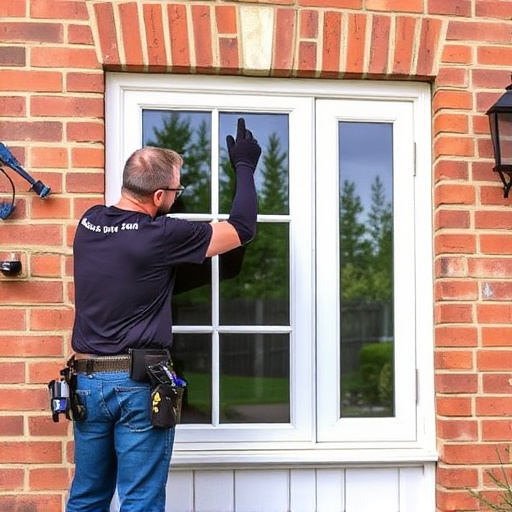
In the realm of home improvement, window and door installation stands out as a cornerstone project for any property owner. These structural elements not only enhance aesthetics but significantly impact energy efficiency and security. However, the process is far from straightforward. Homeowners often face a labyrinth of legal requirements, from building codes to local licensing authorities and homeowners association (HOA) regulations, making it crucial to navigate these waters expertly. Selecting the right products and ensuring professional installation can be overwhelming. This article examines the intricacies of window and door installation, offering practical guidance and expert insights to navigate these challenges successfully in the cheapest manner possible.
Preparation: Essential Steps Before Window and Door Installation
Before examining the installation process, thorough preparation is crucial for successful window and door installation. This initial phase sets the foundation for a well-functioning, energy-efficient system, which is especially important in a climate like Fort Lauderdale's. Here, we explore essential steps to ensure a smooth and effective installation, addressing common challenges and best practices.
First, it's vital to understand the local regulations and building codes. The cheapest area's rules, like those in Florida, often have specific requirements, particularly for window energy efficiency. The 25% rule, a common standard, dictates the minimum amount of natural light and ventilation a window must provide. Contractors should be familiar with these regulations to avoid costly retrofits or penalties. Homeowners should also consult their Homeowners Association (HOA) regulations, as they can impact the type and placement of windows and doors.
Next, a thorough site assessment is paramount. This involves inspecting the existing openings, checking for proper sizing, and assessing the condition of the surrounding structure. Older homes might require more extensive preparation, including reinforcing the framing or addressing issues with moisture intrusion. It's during this phase that professionals can identify potential challenges, such as misaligned openings or inadequate support, ensuring these are resolved before installation to guarantee a secure fit and optimal performance.
Proper preparation also encompasses material procurement and setting a realistic timeline. Homeowners should work closely with reputable window manufacturers and sales representatives to select products that meet both their aesthetic and functional needs. Energy-efficient models, for instance, can significantly reduce utility bills while enhancing comfort. After selecting the right materials, a detailed installation schedule should be set, considering the complexity of the project, the availability of resources, and the desired completion date.
Installation Process: Expert Guide to Window and Door Assembly
The installation process for windows and doors is a meticulous art, requiring skilled hands and a deep understanding of the local climate and regulations. In South Florida, for instance, where the sun shines brightly and the winds can be unpredictable, the installation techniques must account for these unique conditions. The first step in any window and door installation is ensuring compliance with local building codes and homeowners association (HOA) regulations. This often involves obtaining permits from the building department, a crucial step that can't be overlooked.
Once the legal requirements are met, the installation can begin. In most cases, the process involves removing the old window or door, preparing the opening, and then inserting the new unit. This is typically done from the outside, offering better access to the framework and allowing for proper sealing against the elements. The contractor will ensure the new window or door is level and properly aligned, securing it with high-quality hardware. In colder climates, weatherstripping is often installed to prevent drafts, while in warmer regions like South Florida, the focus might shift to energy-efficient designs that minimize heat transfer.
The timing of window installations can significantly impact costs, with the cheapest periods often occurring in the late fall or early spring. This is when demand is lower, and contractors may offer competitive rates. When replacing windows or doors, homeowners should also consider the time of year. Replacing a broken window in the middle of a heatwave in South Florida might be less disruptive in the winter, when temperatures are cooler and work can progress faster. Effective communication with the installation team is key; ensuring they understand your needs and the unique conditions of your property, from its age to its location, will lead to a more successful and efficient window and door installation.
Post-Installation: Ensuring Quality and Performance in Window and Door Systems
After the initial installation, the true test of any window and door system's performance begins. Ensuring long-term quality and energy efficiency is crucial, especially in a region like the cheapest, where varying climates can put these structures to the test. Post-installation, several key considerations come into play to guarantee the system's longevity and effectiveness.
Firstly, regular maintenance checks are essential. This includes inspecting seals for any signs of damage or wear, ensuring all components are securely fastened, and verifying the system's insulation properties. Checking for the presence of condensation between panes can indicate poor sealing or poor energy efficiency. Addressing these issues promptly can prevent more severe problems down the line.
Permits and regulations also play a vital role in post-installation quality control. While Do I need a permit to replace my windows in Florida? Is a common question, the answer is often dependent on the specific Homeowners Association (HOA) Regulations and Building Department guidelines. This rule underlines the importance of proper permitting and highlights the need for homeowners and contractors to stay informed about local building codes.
Lastly, consider the environmental impact. Modern window and door systems often incorporate advanced technologies for improved energy efficiency. From double or triple glazing to specialized coatings, these features can significantly reduce energy consumption and lower utility bills. Understanding the energy-saving capabilities of your new system and comparing it to the old one can provide tangible evidence of the installation's success.
Frequently Asked Questions About Window And Door Installation
What is the best type of window or door for my home?
Choosing the right window or door depends on your climate, architectural style, and budget. Energy-efficient models with double-glazing are ideal for cold climates, while sliding doors or French doors can enhance natural light and airflow in warmer regions. Consider the overall aesthetic you want to achieve and consult with a professional to find the best fit for your home.
How do I know if I need new windows or doors?
Signs of worn-out or inefficient windows and doors include drafts, condensation, broken seals, and old, damaged frames. If your windows or doors are difficult to open or close, or if your energy bills are higher than expected, it might be time for an upgrade. A home energy audit can also help identify areas for improvement.
What is the average cost of window and door installation?
The cost of installation varies depending on the type and size of the windows or doors, the complexity of the job, and your location. Generally, you can expect to pay between $150 and $500 per window or door, including labor and materials. Larger projects or custom orders may cost more. It's always recommended to get multiple quotes from reputable contractors.
Do I need permits for window and door installation?
Permits are typically required for window and door installations, especially if they involve structural changes or energy-efficient features. Check with your local building department or city hall to determine what permits are needed for your project. Failing to obtain the necessary permits can result in fines or the need to redo the work.
How long does window and door installation typically take?
Most window and door installations take one to two days, depending on the size and complexity of the project. This includes the time needed for measurement, ordering, and actual installation. It's important to discuss the timeline with your contractor and plan accordingly, especially if you're going away or have other commitments.
What should I look for when hiring a window and door installer?
When hiring a window and door installer, look for professionals with experience, good reviews, and references. Ensure they have the necessary licenses and insurance. Ask for a detailed quote, and compare it with several others. A reputable installer will provide a warranty on their work, so don't hesitate to ask about it.
Window and door installation is a meticulous process that demands careful preparation, precise execution, and thorough post-installation care. By following the outlined steps and guidelines, professionals can ensure compliance with legal requirements, such as Building Codes and local Licensing Authorities, while also navigating HOA Regulations and Building Department standards. The installation process itself is a sign of expert craftsmanship, requiring meticulous attention to detail and utilizing state-of-the-art techniques and tools. Post-installation, ongoing support and monitoring are crucial to guarantee the quality and performance of these systems, safeguarding both the property's value and the safety of its occupants. These key insights equip homeowners and contractors alike with the knowledge to navigate the window and door installation landscape, ultimately leading to successful outcomes.