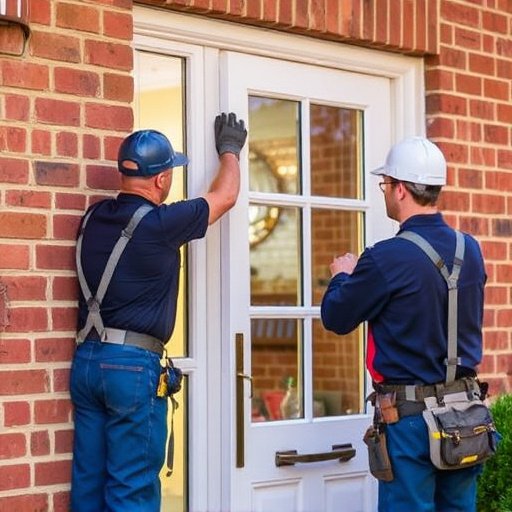
In the modern home, window and door installations are crucial for both aesthetics and functionality. These elements significantly impact energy efficiency, natural light, and overall comfort. However, the process of installing or replacing them can be complex. Homeowners often face challenges navigating local regulations, ensuring compliance with building codes, and selecting suitable materials. This article provides a practical guide to navigating the complexities of window and door installations. We'll explore the legal framework, including building codes, local licensing authorities, and homeowners association (HOA) regulations, to ensure a smooth and compliant process. By understanding these aspects, you'll be better equipped to work with expert sales representatives and design consultants, ultimately achieving the best results for your home.
Preparation: Key Steps Before Window And Door Installation
Before beginning any window and door installation project, thorough preparation is crucial. This stage sets the foundation for a successful and long-lasting installation, ensuring compliance with local regulations and the highest quality workmanship. One critical consideration, especially in Florida, is understanding the 25% rule for window placement, which dictates the minimum amount of unobstructed glass area in a room for natural light and ventilation. This rule varies by location and climate, so it's essential to consult local building codes.
In Fort Lauderdale, the window and door installation process typically involves several key steps. First, a thorough site assessment is conducted to evaluate the existing structure, identify any potential issues, and ensure the new windows or doors will fit seamlessly. This includes measuring openings, checking for weatherproofing, and assessing the overall condition of the frames. Next, the installation team obtains the necessary permits from the local building department, ensuring compliance with all applicable codes and regulations.
Once permits are in hand, the actual installation begins. This process demands precision and expertise, as improperly installed windows or doors can lead to energy loss, water intrusion, and structural damage. Professional installation services employ specialized tools and techniques to ensure a secure fit, proper sealing, and optimal performance. They also handle any required trim work and final inspections, ensuring the completed installation meets both the manufacturer's standards and local building codes.
Installation Process: Methodical Guide for Professionals
The installation process for windows and doors is a meticulous task that requires skill, precision, and adherence to standards. Professionals approach these projects with a methodical guide, ensuring quality and longevity. When replacing windows, the method can vary depending on the access. Typically, the interior is the preferred method, allowing for easier removal and installation without disrupting the exterior. However, some cases may demand an exterior approach, especially in challenging layouts or for emergency replacements.
At Lowe's or Home Depot, professionals often stock a range of tools and materials for various window and door installations. Energy efficiency is a key consideration, with modern windows designed to reduce heat transfer and maintain interior temperatures. This can result in significant savings, with some energy-efficient models offering up to three times better insulation than traditional options. The installation team must measure and fit these new windows precisely to capitalize on their energy-saving benefits.
Following local building codes and HOA regulations is non-negotiable. Before beginning any work, professionals must obtain the necessary permits from the building department. This ensures the project complies with safety standards and allows for seamless completion. After installation, the team provides after-sales support, ensuring clients are satisfied with their new windows and doors.
Post-Installation: Ensuring Longevity and Energy Efficiency
Post-installation is a critical phase in window and door installation, where the focus shifts from crafting to ensuring longevity and maximizing energy efficiency. This stage involves several key steps, such as proper sealing, insulation checks, and adjusting hardware for optimal performance. Sealing around windows and doors with the right materials can significantly reduce drafts and improve insulation, thereby enhancing energy efficiency.
The timing of window installation can impact costs and energy savings. Historically, many contractors observe that windows are the cheapest during the off-season, typically in winter. This is because demand is lower, leading to more flexibility on pricing. However, during peak seasons, these costs can surge, so planning installations during the off-season can be both cost-effective and energy-efficient.
When comparing window and door prices, it's essential to consider the overall value rather than just the cost. Cheaper options may not offer the same level of insulation or durability as higher-end models. Double-glazed windows with low-e coatings can provide better energy efficiency and last longer than single-glazed alternatives. The cost of installation plays a significant role; it's crucial to get quotes from multiple contractors to understand the full scope of expenses, as this can vary widely based on complexity and local labor rates.
Regular maintenance is another vital aspect of post-installation care. This includes checking for loose components, reapplying weatherstripping, and lubricating hardware. Keeping tracks of these tasks can help prevent premature wear and ensure that windows and doors remain sealed, optimizing their energy-saving capabilities. Staying aware of local regulations, such as those enforced by the Building Department or Homeowners Association (HOA) Regulations, is essential to ensure compliance and avoid future issues.
Frequently Asked Questions About Window And Door Installation
What is the typical cost for window and door installation?
Window and door installation costs vary widely depending on the type of window or door, the material, the size, and the complexity of the job. On average, expect to pay between $250 and $1,000 per window or door, with some high-end models or specialized installations costing significantly more. Door and window replacements usually range from $500 to $3,000, including labor and materials.
How long does window and door installation typically take?
Most residential window and door installations take one to two days, depending on the number of openings and the complexity of the job. Commercial installations can take longer, often several days, due to larger openings and more stringent building codes.
What factors should I consider when choosing a window or door?
When choosing a window or door, consider energy efficiency, style, material, durability, noise reduction, and security features. Research local building codes and weather conditions to ensure compatibility. Consult with a professional to determine the best options for your specific needs and budget.
Do I need permits for window and door installation?
Permits are often required for window and door installation, especially in larger projects or when replacing a significant number of openings. Check with your local building department to determine if a permit is necessary and what specific requirements exist.
What should I do if my old window or door is stuck?
If your old window or door is stuck, try lubricating the hinges and tracks with a silicone spray or grease. If that doesn't work, contact a professional for assistance. Trying to force a stuck window or door can cause damage or injury.
How can I make my windows and doors more energy-efficient?
To improve energy efficiency, consider double- or triple-paned windows, low-E coatings, and weatherstripping. Replacing old doors with energy-efficient models and sealing gaps around the door frame can also significantly reduce energy loss.
The successful execution of any window and door installation project hinges on a comprehensive understanding of preparation, a meticulous installation process, and thoughtful post-installation care. By adhering to building codes, engaging with local licensing authorities and homeowners association regulations, and collaborating with experienced sales representatives and design consultants, professionals can ensure compliance and client satisfaction. The installation process itself demands a methodical approach, utilizing the latest window and door manufacturers' technologies to guarantee both longevity and energy efficiency. Post-installation, dedicated after-sales support ensures ongoing performance and value for the homeowner. These key insights underscore the importance of a holistic, professional approach to window and door installation, delivering not just functional results but also enhanced comfort and property value.